
2022/10/1
Baieido Co., Ltd. 2022
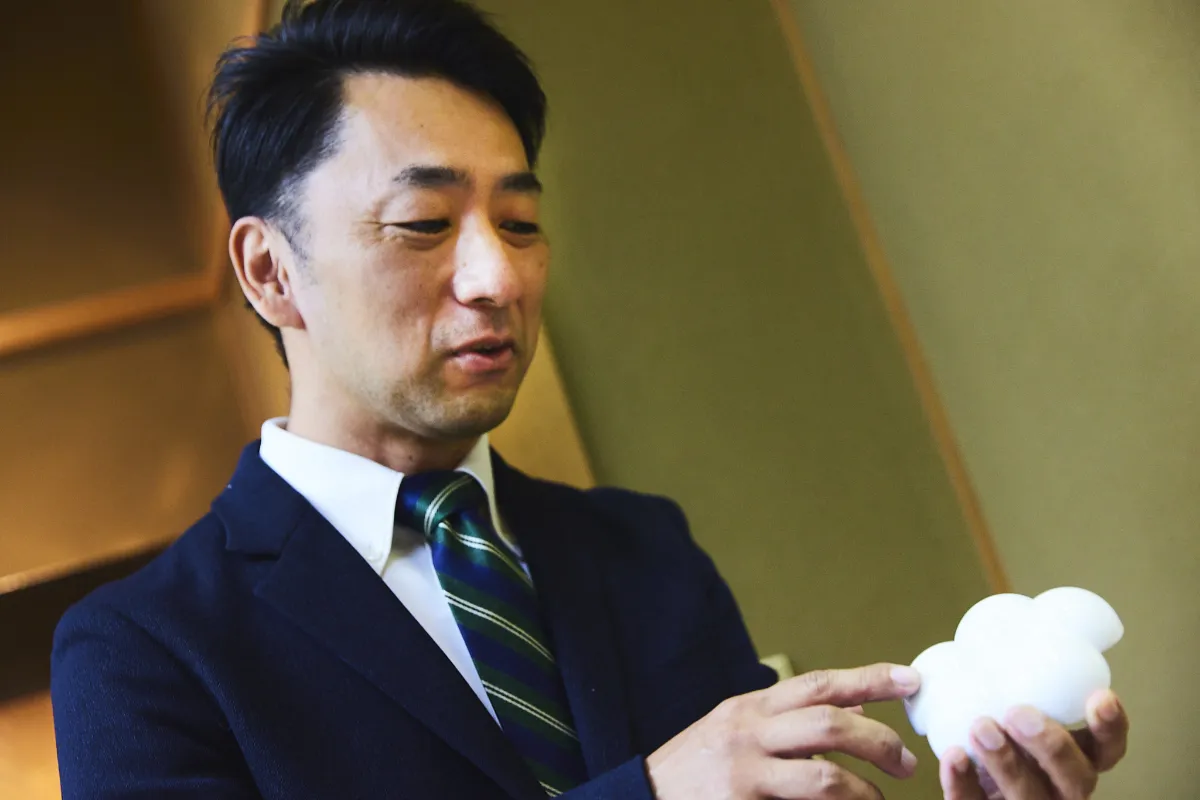
Flourishing Incense Industry in Sakai: The Center of Imported Aromatic Woods
Incense was first produced in Japan in the late 16th century after its introduction from China.
Its production thrived in Sakai, Japan’s major trading ports back then where aromatic wood was readily available, and numerous temples supported the industry. By the early Edo Period, Buddhism had become integral to people’s lives, increasing the demand for incense. Also, since incense complemented the ‘tea ceremony’ popularized by Sakai native, Sen no Rikyū, its production became deeply rooted in this area.
Sakai’s incense is defined by its carefully selected blend of natural fragrances and is regarded as an aromatic work of art. The ratios of each manufacturer’s blend are treated as secret formulas and are passed down through generations, with changes made to adapt to the times.
A Historic Establishment with a Tradition of Over 360 Years
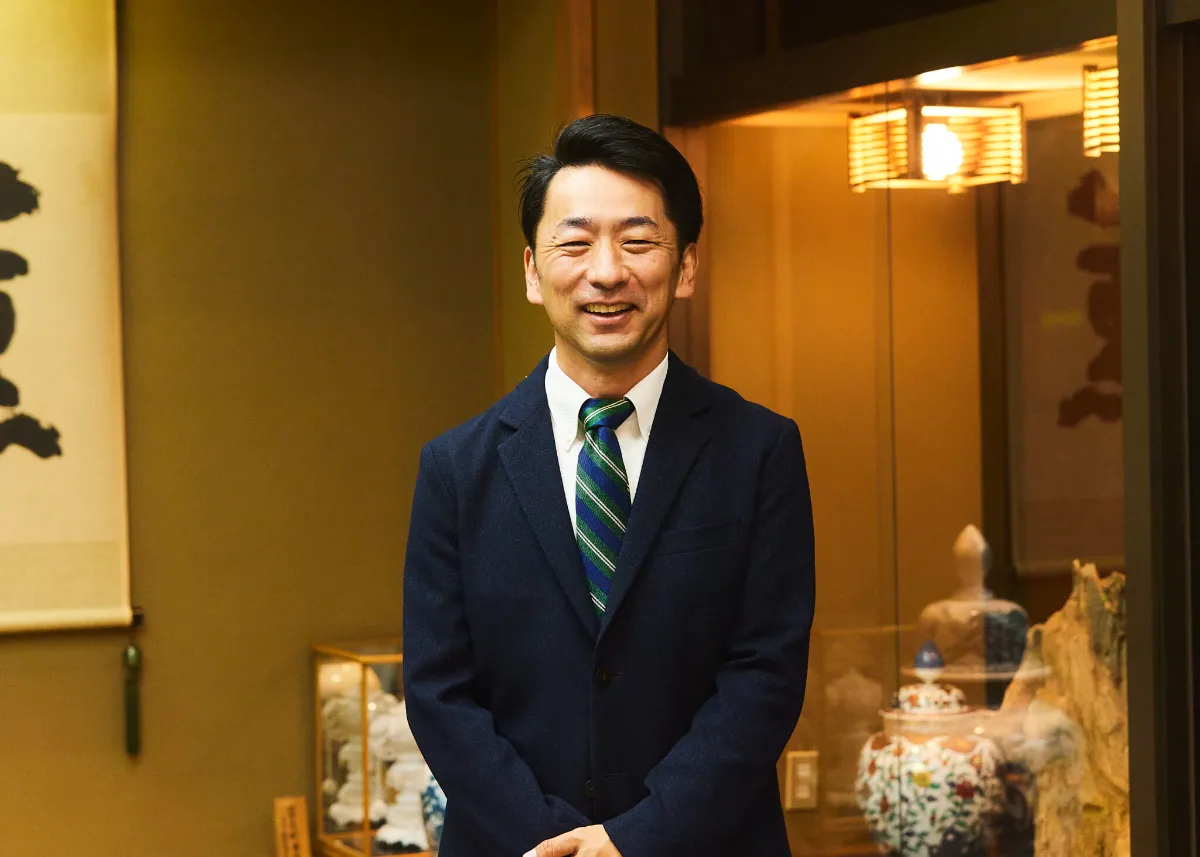
With a history of over 360 years, Baieido is one of the notable long-standing brands in Sakai’s incense industry. It is located along the Kishu Highway, which served as Sakai’s main street for the Kishu and Senshu trade routes during the Edo Period. Upon visiting their headquarters, the executive director, Mr. Tokiyoshi Nakata will greet you with a cheerful smile.
Upon expressing our surprise at their early establishment in the Edo Period and length of history, Mr. Nakata said, “If we look even further back, our roots can be traced to the Muromachi Period when we ran a medicine wholesale shop.”
Apart from its properties of purifying the air and soothing the mind, incense also has effects as an antacid and antipyretic, and was originally used as herbal medicine and spices. For this reason, it was considered a valuable trade item among Ming and Nanban ships, causing many Chinese medicine wholesalers to line the streets of Sakai. This eventually led to the production of incense.
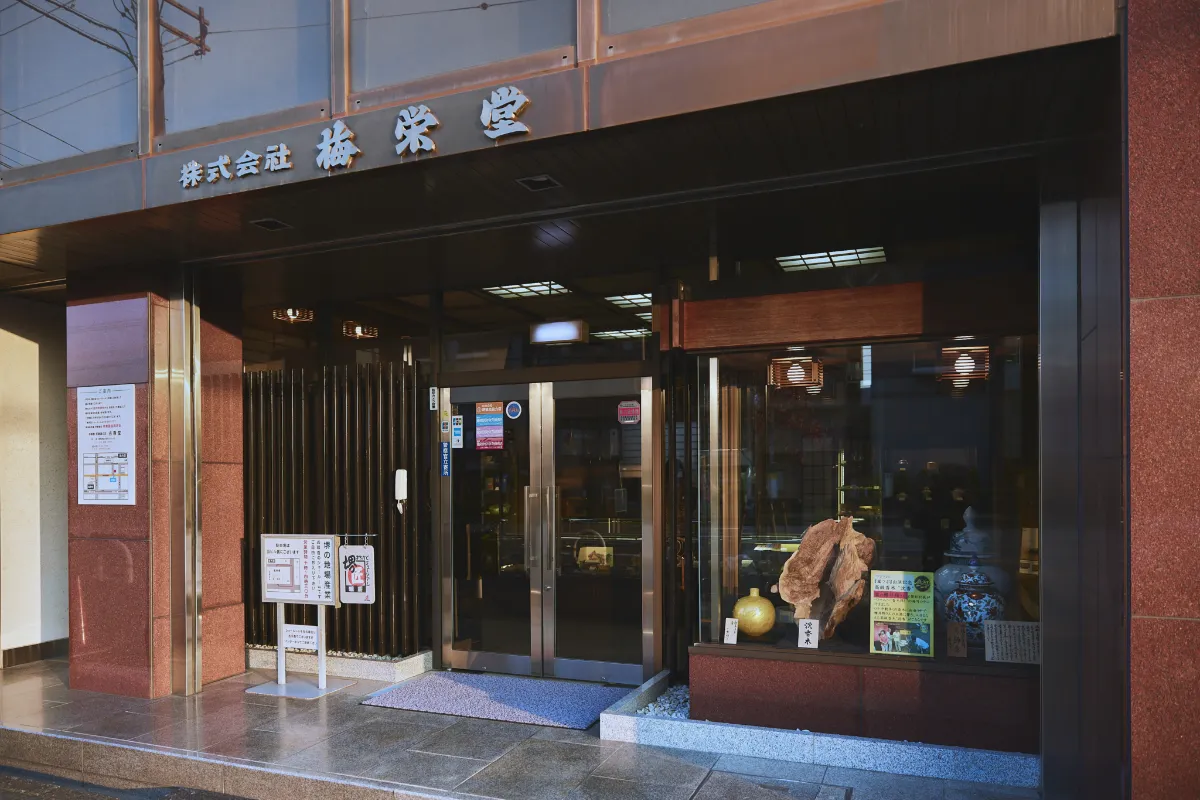
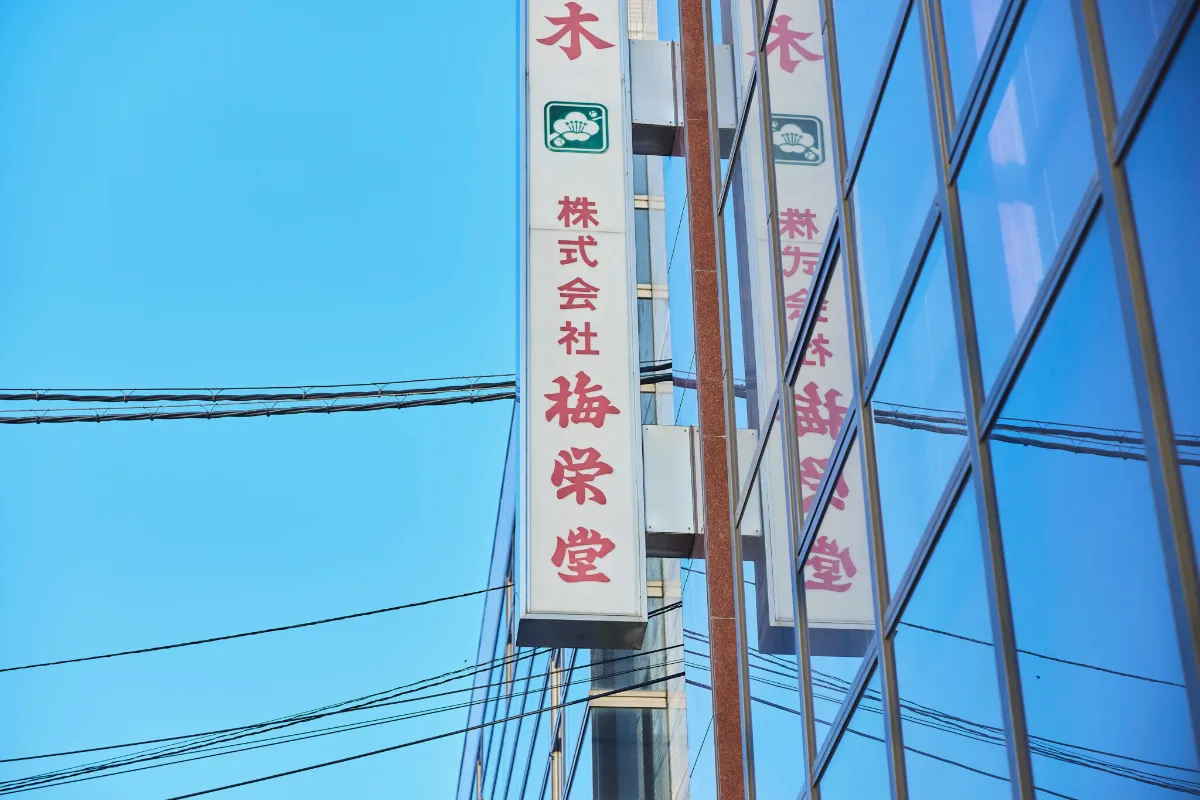
Established in 1657, ‘Jinko-ya Sakubei’ specializes in incense and aromatic products. The name ‘Jinko-ya’ is unique to Sakai and was granted only to herbal medicine wholesalers who focused on fragrances. Now in their 16th generation, they have been promoting the charm of incense both domestically and internationally, becoming a leading incense manufacturer preferred by major temples of various sects in the country.
A Timeless Fragrance Loved for Over a Century
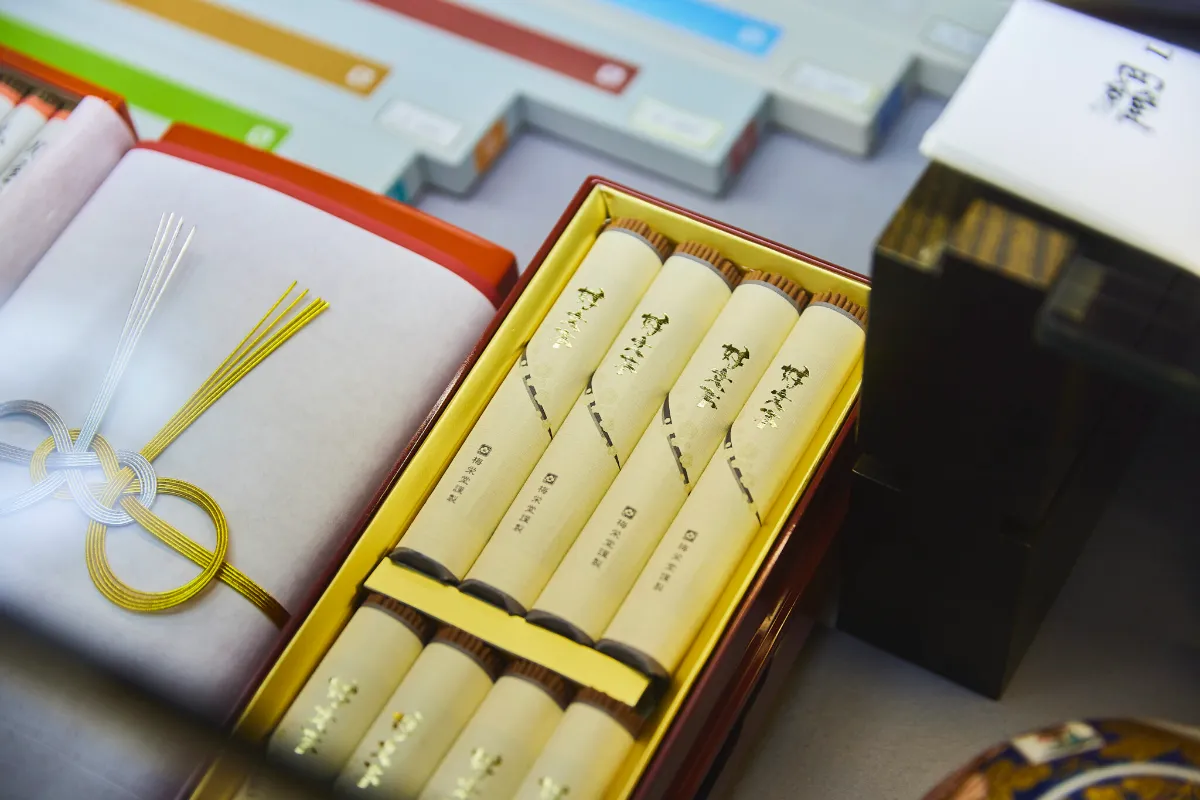
The showroom at Baieido’s headquarters features a wide variety of incense. One of their signature series, ‘Koubunboku’, has been around for over a century. Crafted with plenty of natural aromatic substances like sandalwood, it offers a smooth and subtly spicy fragrance.
“Since our establishment, we have preserved our secret recipes. Only a few people within our company are informed about their specifics.”
This timeless fragrance has been loved for over a century. It stirs a sense of nostalgia that resonates softly in your heart.
Baieido also offers a variety of innovative scents including coffee, strawberry and floral to ensure that their products are in line with modern trends.
Carefully Handcrafted Masterpieces
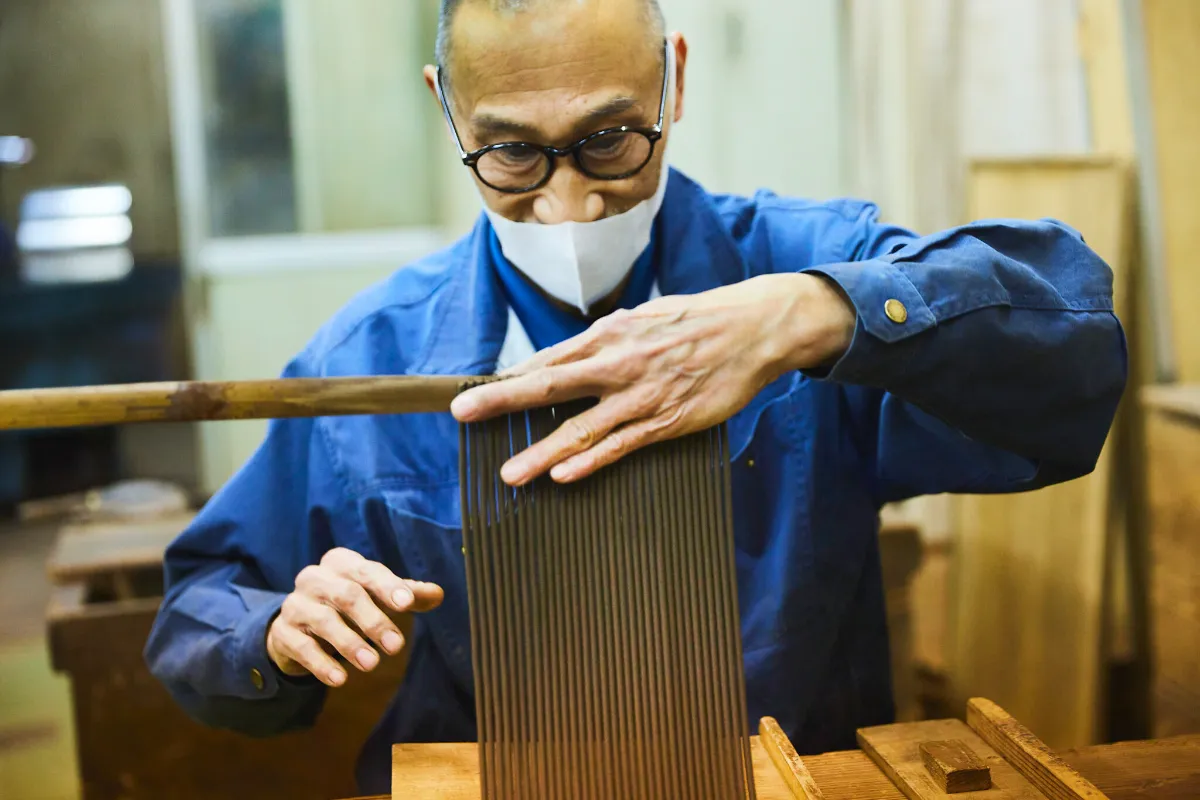
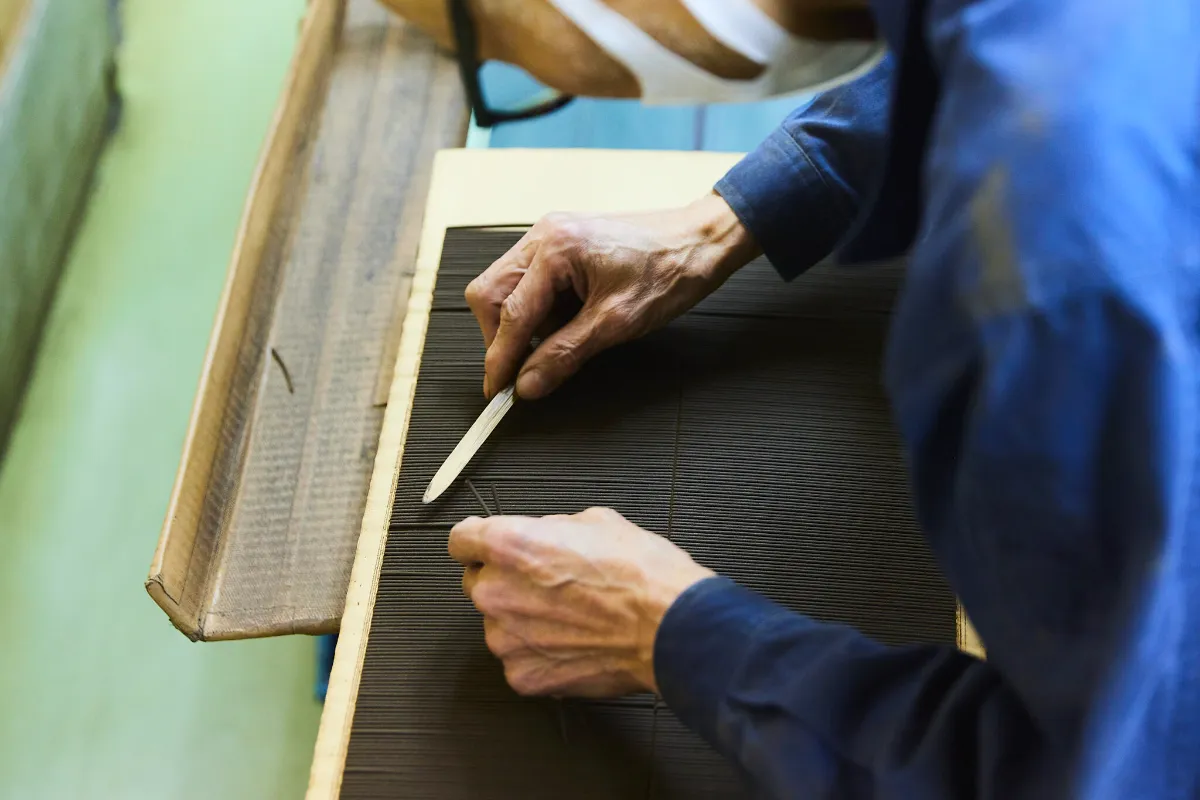
In the studio, skilled craftsmen adhere closely to traditional techniques to create incense.
In the ‘kneading’ process of the blended powdered fragrances, skilled craftsmen adjust the water amount to achieve the right consistency. They rely on tactile experience since the conditions of the ingredients can vary with the weather.
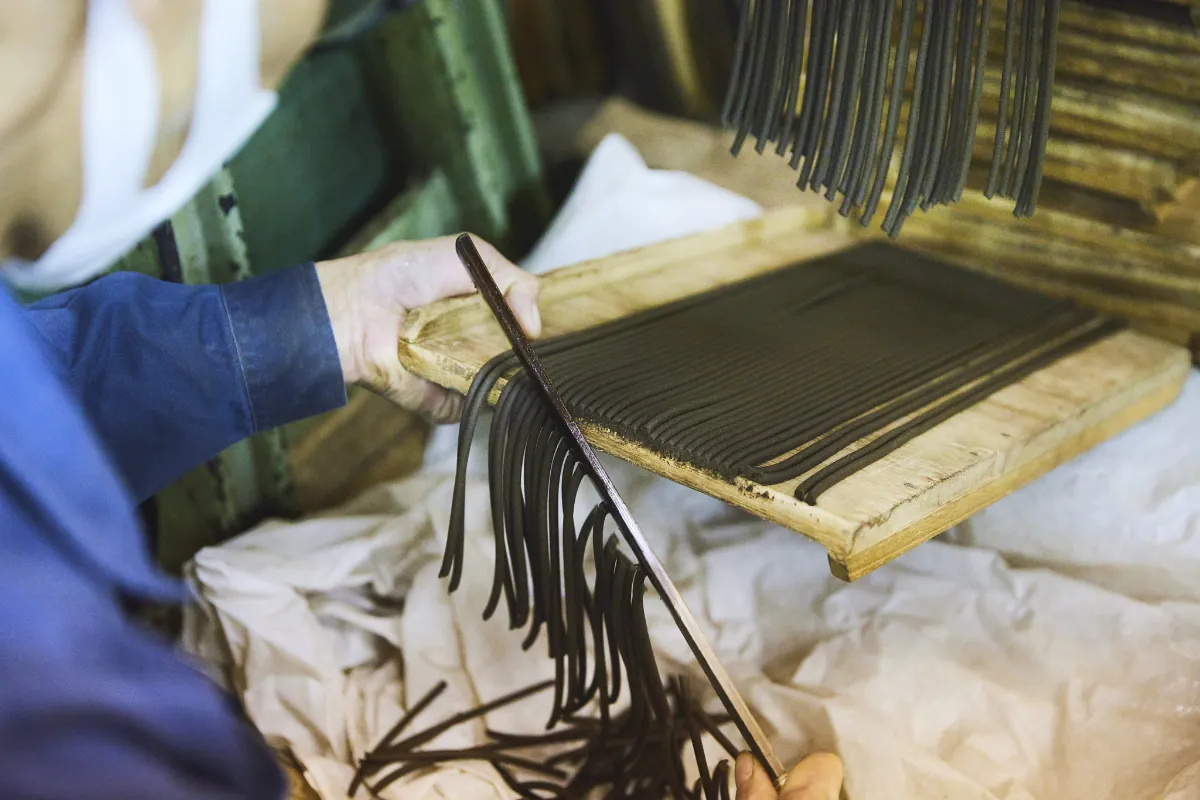
Once the mixture is ready, it is extruded into the form of incense sticks. They are then cut into the same lengths before the ‘drying’ process. The incense sticks must be dried slowly to prevent bending.
“The drying process is highly sensitive to weather conditions, making it very delicate. In the past, craftsmen had to constantly keep watch based on the weather, temperature and wind direction. While air conditioning has made this process slightly easier, vigilance is still essential,” explains Mr. Nakata.
Drying requires a full one to three weeks, with the craftsmen carefully checking the dryness and straightness each day.
The Enriching Power of Fragrance
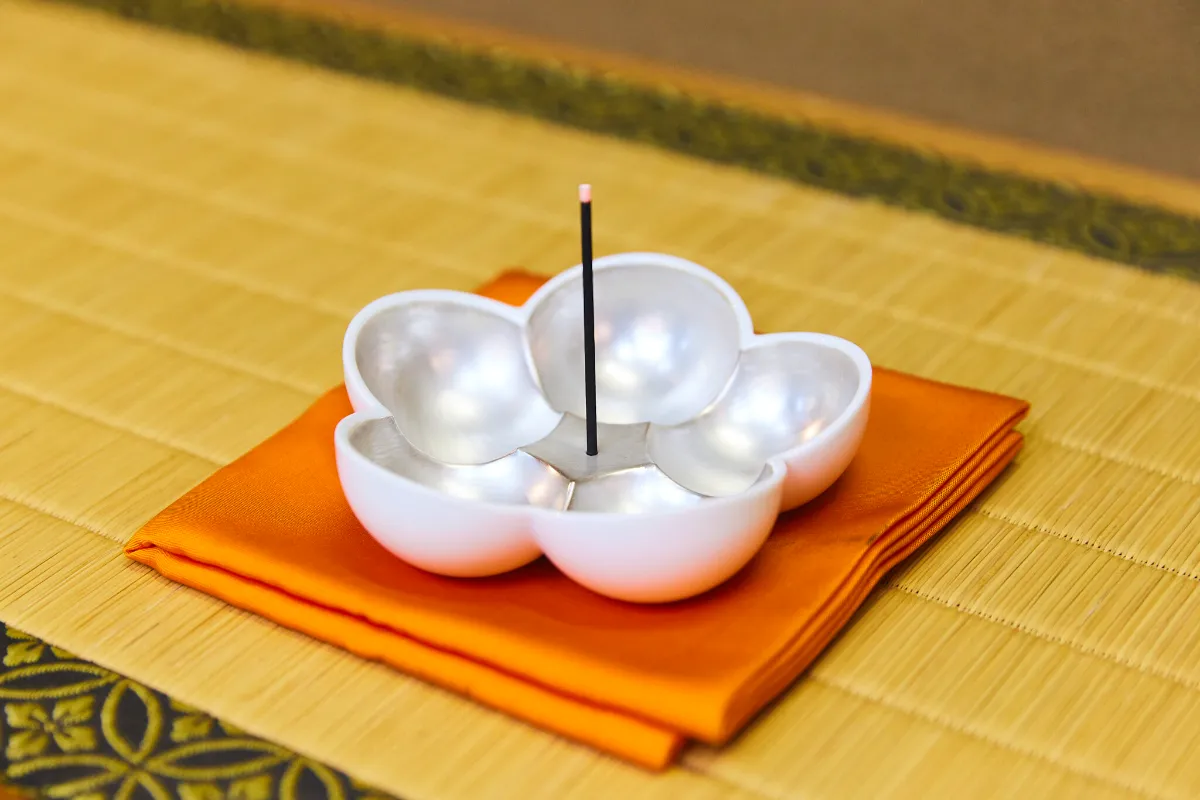
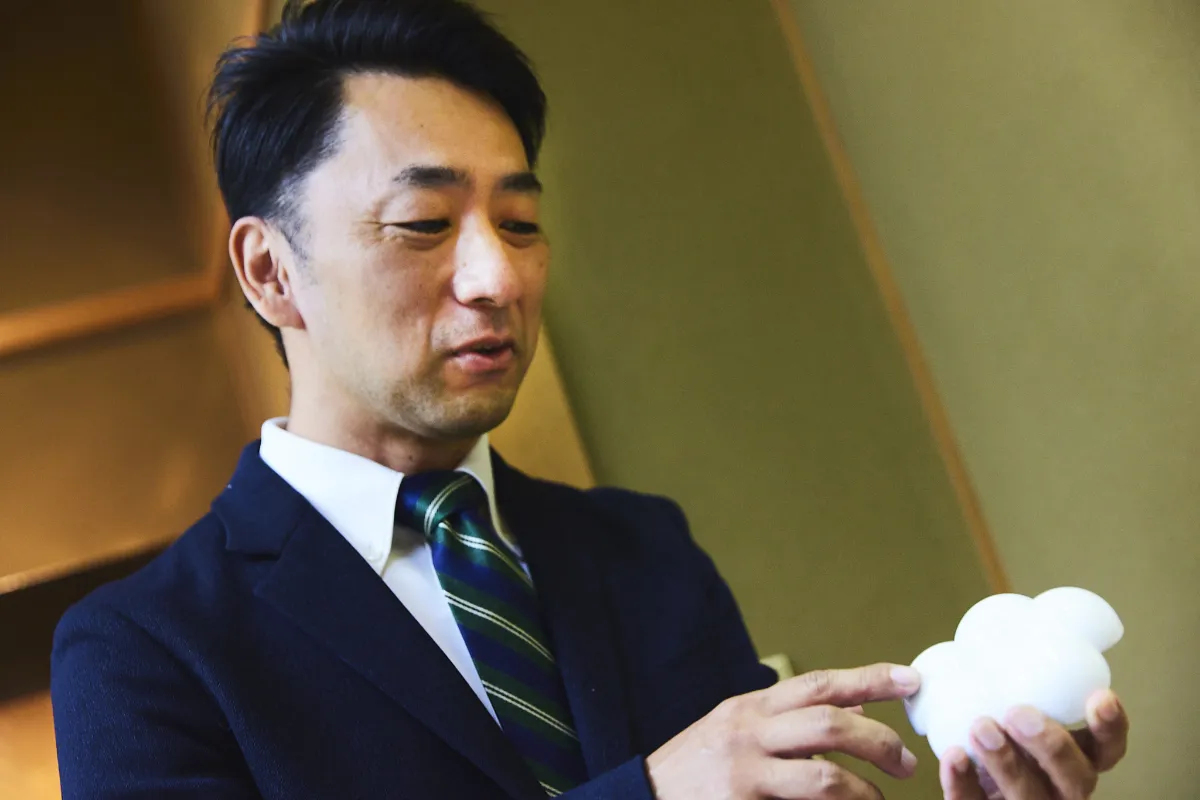
The ‘Premium Incense Holder Fio’, certified in this edition’s Sakai Kitchen Selection, is part of a collaboration series with globally acclaimed industrial designer Mr. Kiyoyuki Okuyama. It aims to continue the ‘traditional Japanese fragrance culture’ for future generations.
“The product name ‘Fio’ comes from the Italian word ‘fiore’, meaning ‘flower’. The incense features a delightful floral scent enriched with natural lavender essential oil.”
The incense holder is made from Aritayaki (Arita porcelain) of Saga Prefecture. A gentle ‘plum flower’ design and a modern silver finish goes well with a variety of interior styles, whether Japanese or Western.
“Fragrance enriches our lives and adds vibrancy. For example, I light incense during my morning meditation, which helps clear away negativity and leaves me feeling refreshed. I also burn incense about 30 minutes before bedtime to fill my room with scent for a good night’s sleep. I highly recommend it,” he says.
Some of you might associate incense with altars, but their incense is designed entirely for daily use. Why not explore ways to incorporate incense into your daily routines to enrich your everyday experiences?
Edit&Test Tomoyo Tsuchiya
Photographer Yutaka Sato