
2023/10/1
Ooetatami 2023
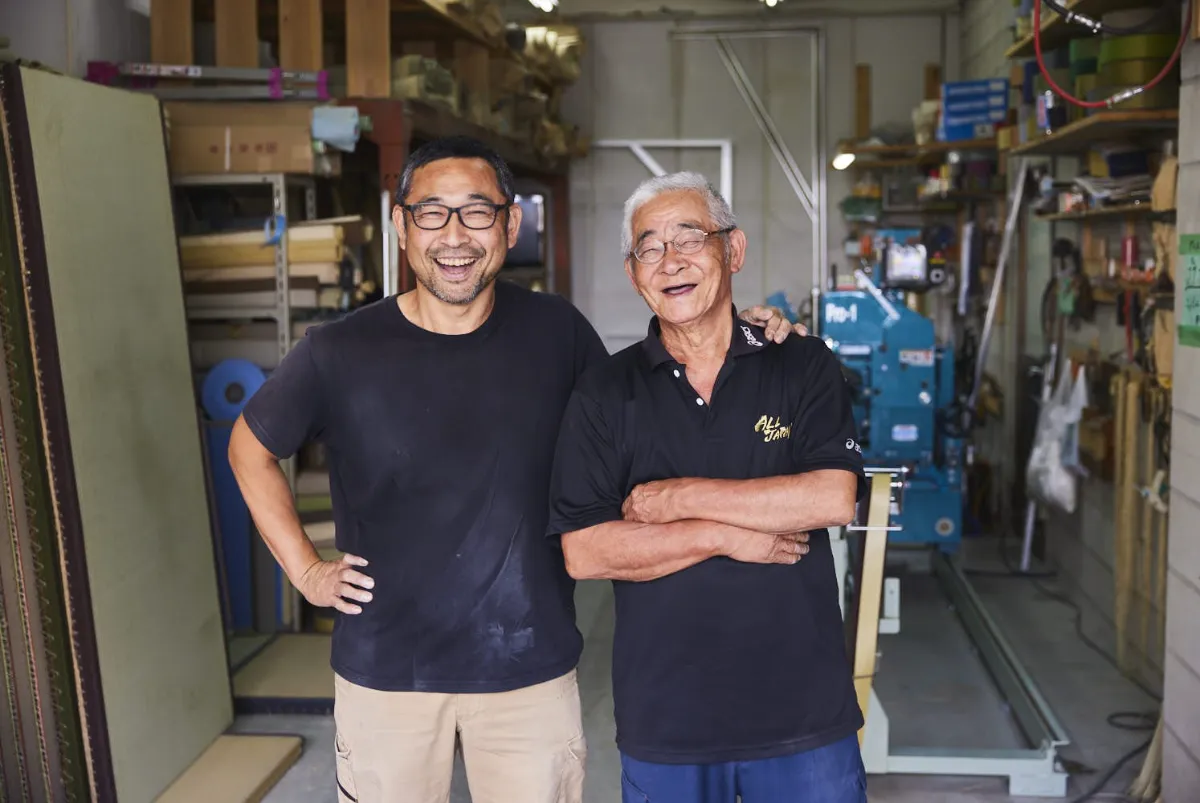
Tatami Culture Rooted in the Land of Sen no Rikyū
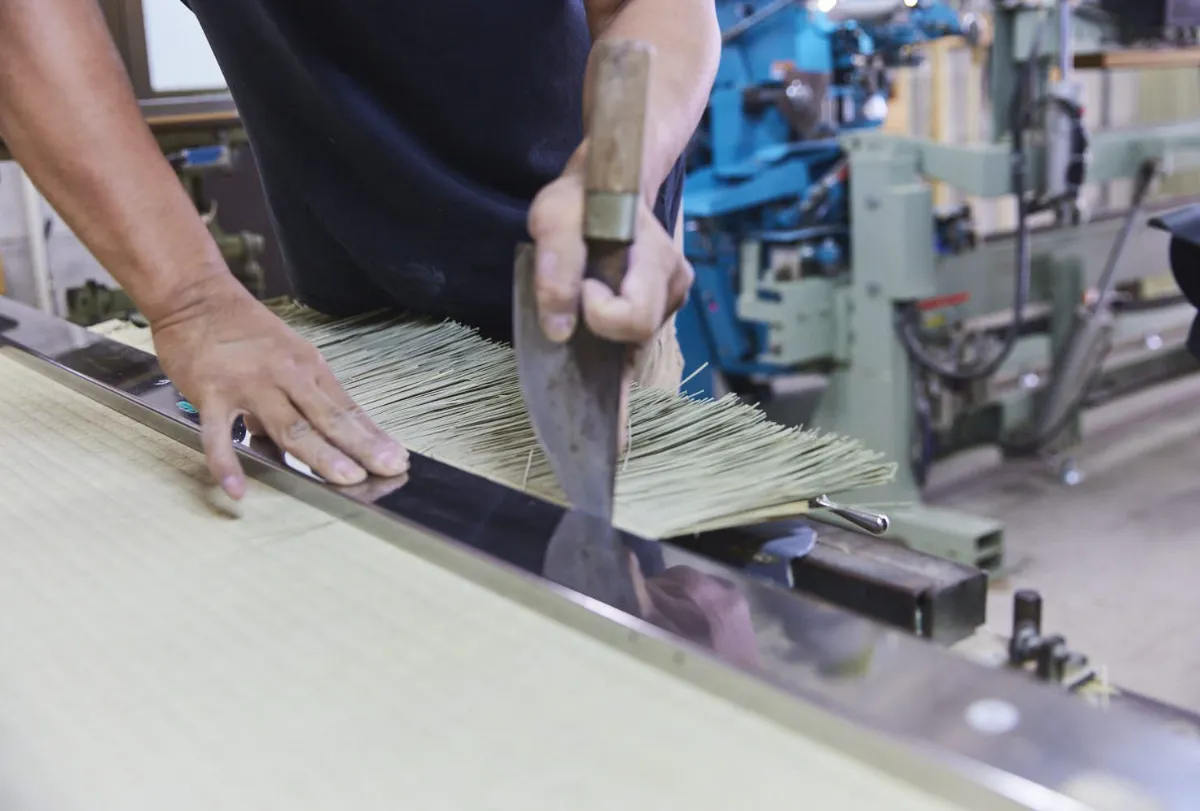
Ooetatami, located in the outskirts of Sakai City, is a small, family-run studio dedicated to the craft of tatami (woven rush grass) production for nearly 50 years. It is operated by founder Mr. Toshitsugu Ooe and his son, second-generation craftsman Toshiyuki.
“Sakai is home to the schools of Sen Tea Ceremony and the birthplace of Sen no Rikyū, the great master of wabi-cha (simple tea ceremony). Because tatami was essential in the tea room, Sakai has a deep affinity with tatami. Phrases like ‘don’t step on its edge’ and ‘take six steps to walk across a single tatami to present yourself gracefully in a kimono’ show how many tea ceremony manners were determined by tatami. Tatami culture may have taken root in Sakai also because it is a templetown,” explains Toshitsugu. He is a skilled craftsman who was once entrusted with replacing the tatami in the tea room ‘Jissoan’ associated with Rikyū in Nanshuji.
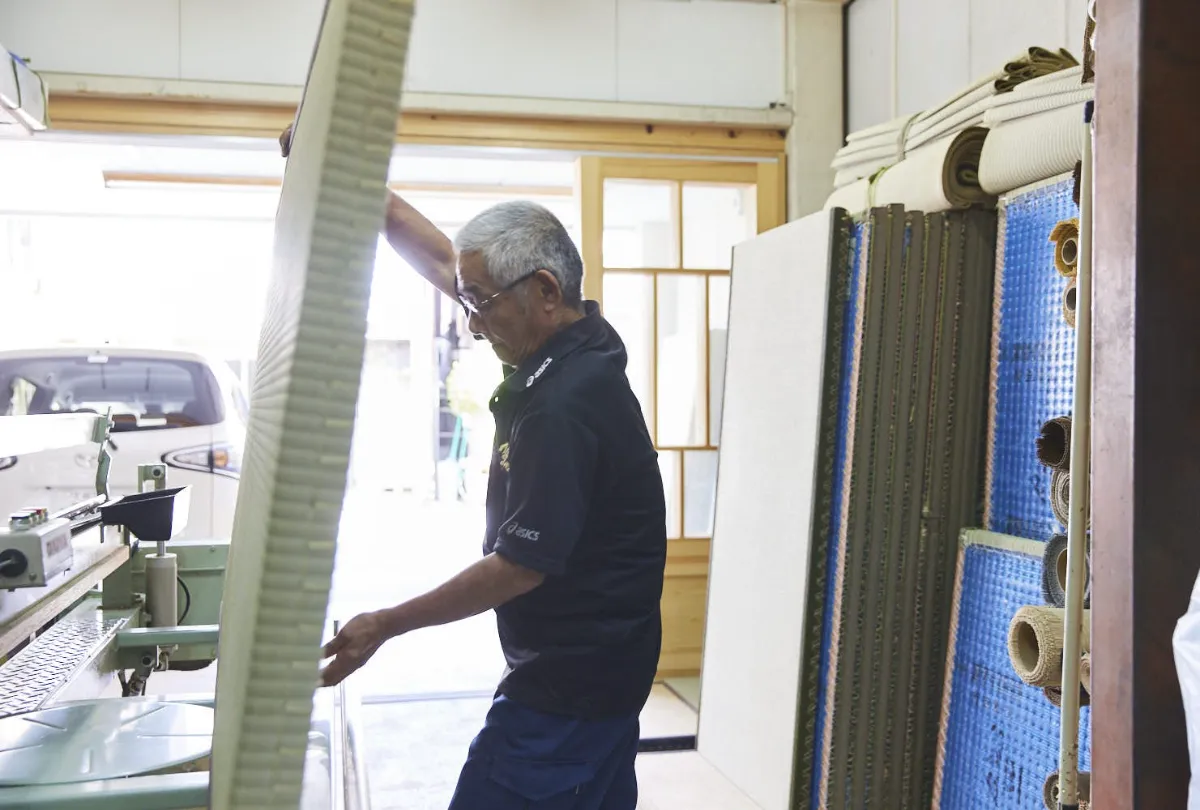
Insights from ‘Tatami’ ‘Sakai’ ‘Ooe’ for ‘A Life with Tatami’
It has been said that with the westernization of lifestyle, there is a growing trend away from tatami, and the number of tatami stores in the outskirts of Sakai are decreasing year by year.
“Tatami offers unique appeals that wooden flooring and carpets do not have. To pass on the tatami culture to younger generations, we are always looking for ways to adapt to the times as a tatami store. In addition to production and repair, we also make use of techniques achieved through tatami production and our knowledge of tatami characteristics to craft products that allow people to enjoy tatami and its scent in homes without Japanese-style rooms,” says Toshiyuki.
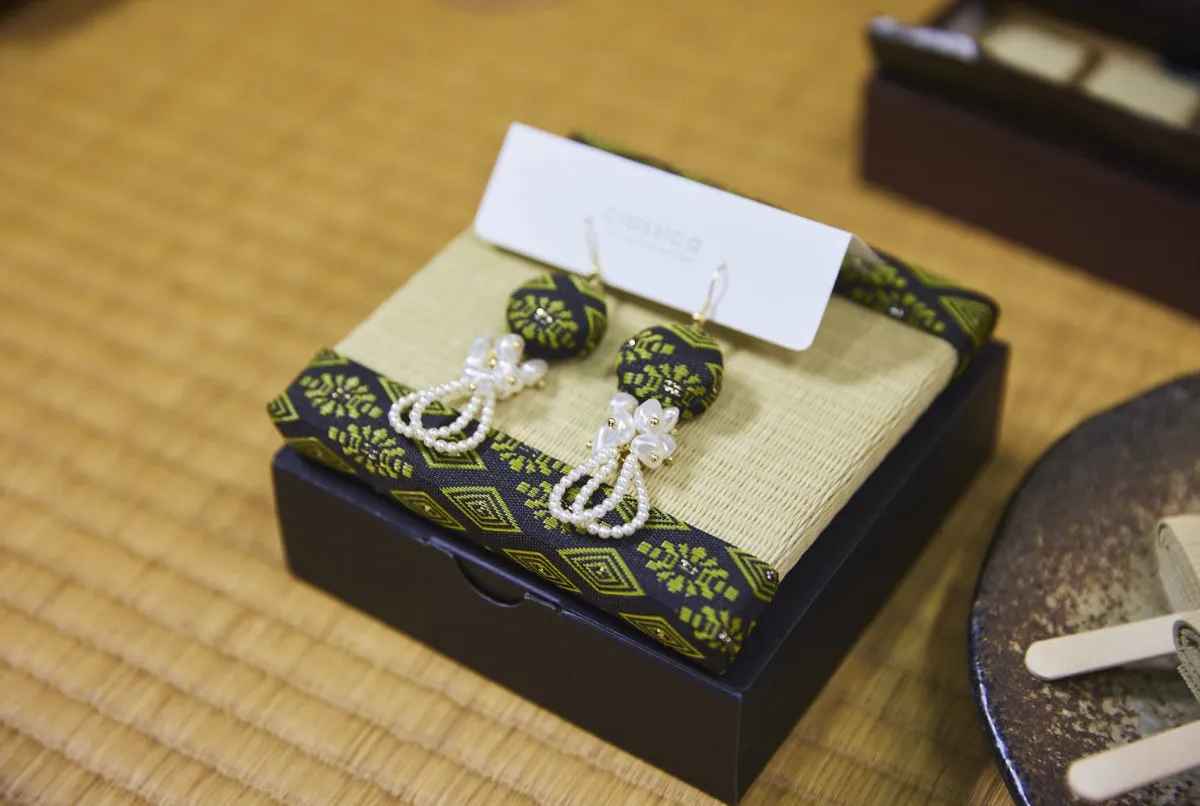
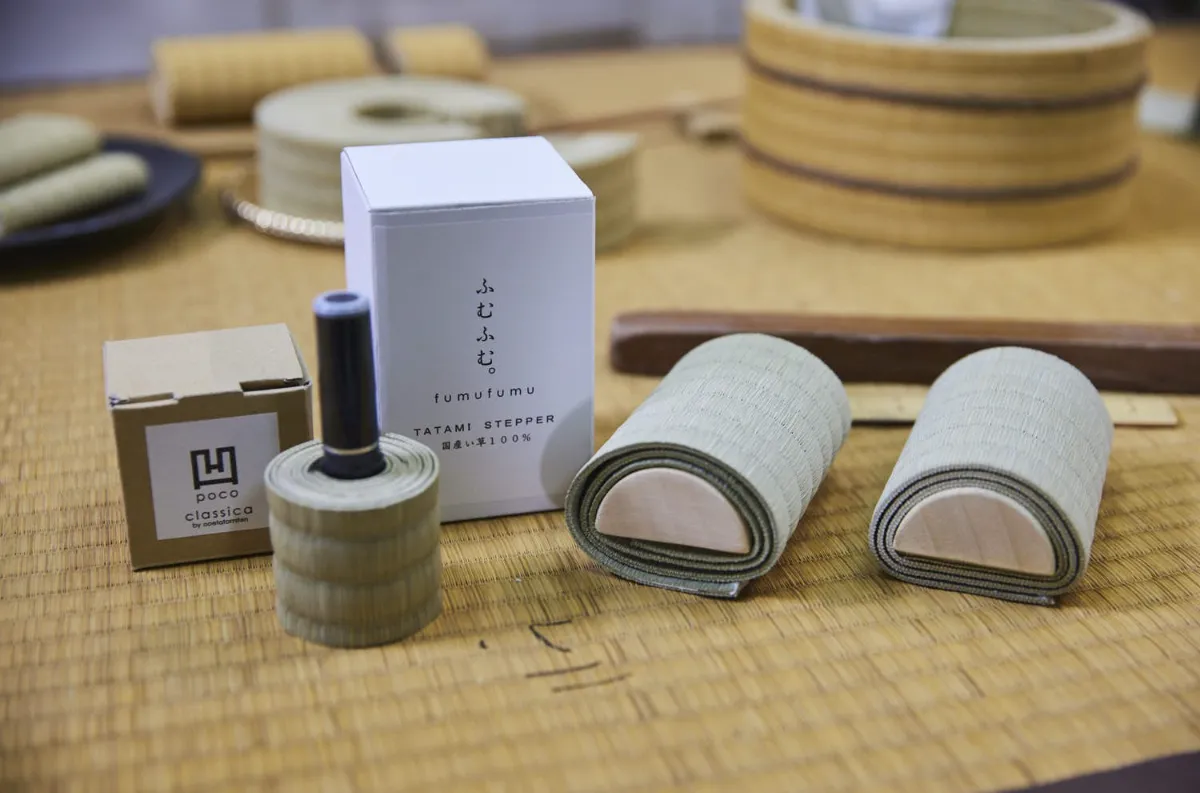
He has undertaken unique projects from various perspectives, beginning with the establishment of a brand called, ‘classica’, which plans and sells accessories and other miscellaneous goods made from tatami materials, inspired by traditional Japanese culture of ‘tatami’. Another one of his activities is the ‘washitsu.labo’, a unit that designs Japanese modern interiors based on tatami and wall covering.
The Beauty and Feel of Premium Goza: A Cut Above the Rest
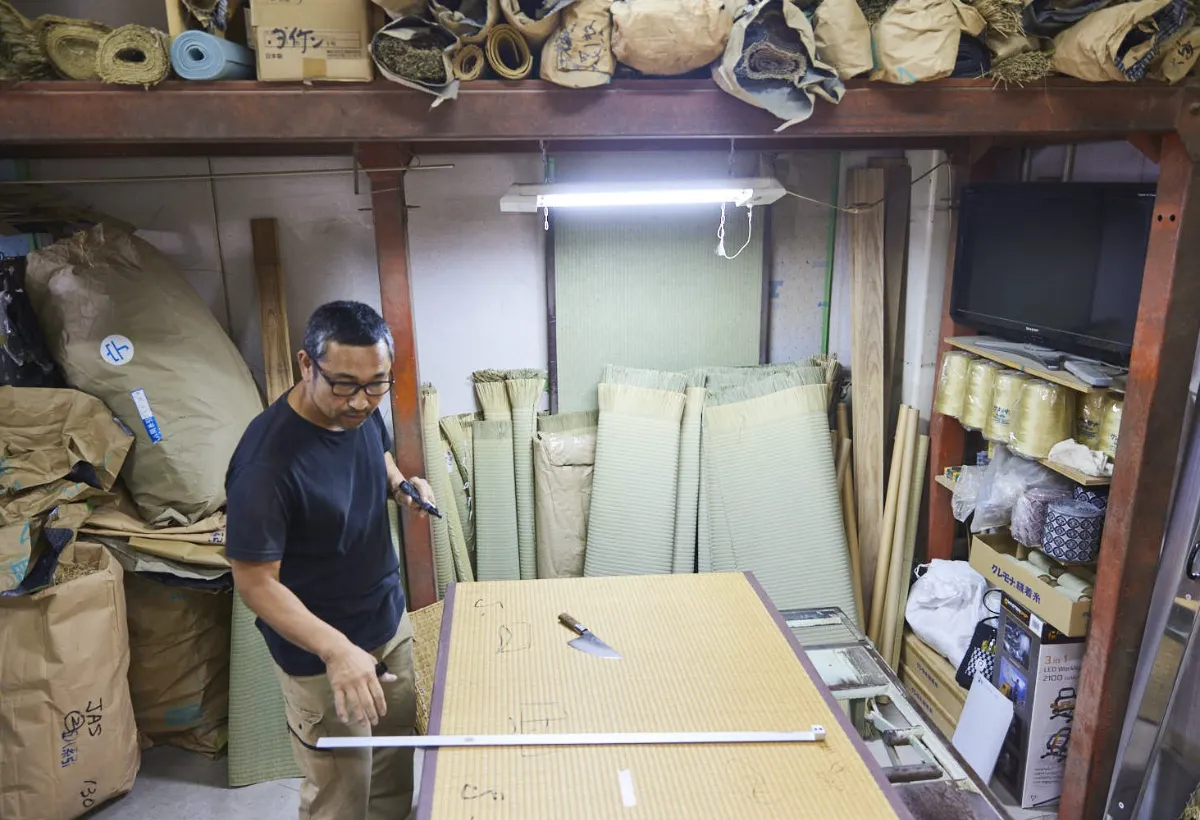
Once you step inside the spacious studio with its high ceiling, you will get a waft of the scent of rush grass. Enveloped by the refreshing and rich aroma, you will instantly feel at ease.
“Sakai is known as a production area for incense, but the scent of rush grass leaves an equally strong impression, don’t you think?” Toshiyuki laughs as he begins to introduce us to several different kinds of goza (mats woven from rush grass).
At first glance, it is obvious which ones are completely new and which ones have weathered over time. The new ones have a dense, plump and smooth texture whereas the weathered ones have a beautiful, golden luster. In contrast, the others have a coarse look, and the colors have faded from degradation.”
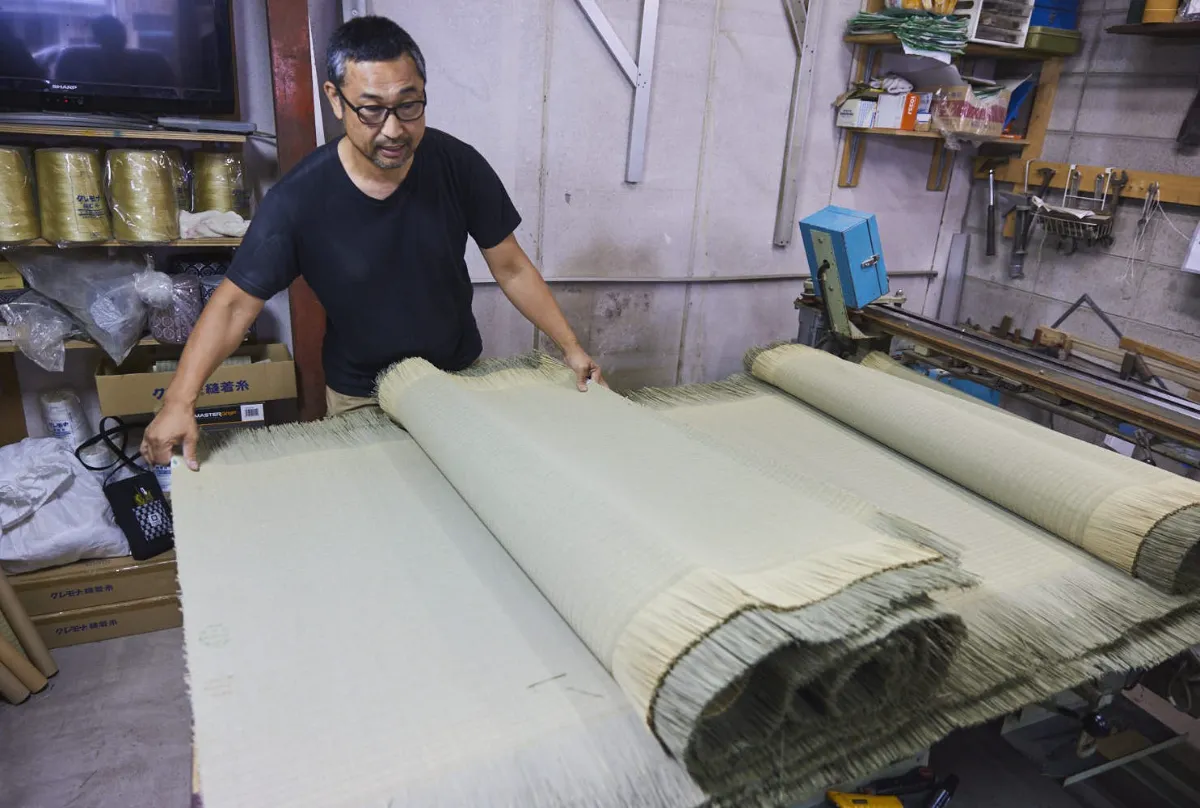
“As you can see from comparison, the quality of goza really varies widely. Another thing is, even if it is produced by the same producer from the same region, the colors can vary slightly depending on the timing of purchase so they cannot be blended. This means, if one to two tatami worth of goza is left, we have no choice but to dispose of it.”
A Unique Item for Easily Enjoying the Appeals of Tatami
The item that fully utilizes scrap materials from goza is ‘fumufumu’, which has been certified in this edition’s Sakai Kitchen Selection.
“We came up with this item in hopes of enriching people’s lives with the soothing tatami. We use scrap materials from premium goza to allow you to experience the luxurious texture of high-quality tatami. Whenever you’re cooking in the kitchen or working at your desk, using ‘fumufumu’ can get you refreshed. The scent of rush grass will also offer a relaxing effect.”
In addition, we provide replacement services for the rush grass portion. ‘fumufumu’ incorporates the eco-friendly quality of a goza, making it possible to use it semi-permanently by turning the goza inside out or replacing it.
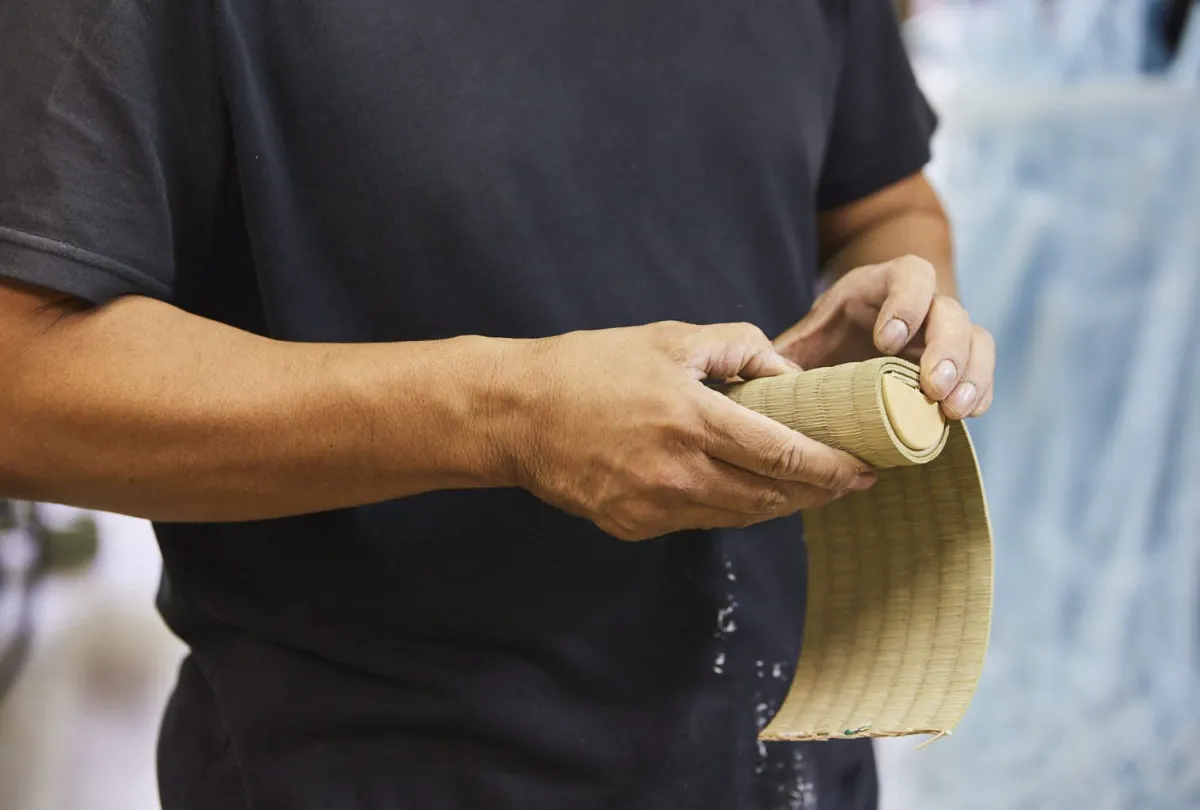
“By getting familiar with tatami through this item, we hope that those who rediscover its appeal will want a traditional Japanese room with a tatami when they build their own homes in the future.”
Just the touch of it reminds you of the beauty of Japanese traditional culture; that is the magical power of ‘fumufumu’. Ooetatami will continue to introduce new items that embody Osaka’s playful spirit and expand the possibilities of tatami.
edit/text Tomoyo Tsuchiya
photographer/Yutaka Sato