
2025/10/31
Yamawaki Cutlery Mfg., Ltd., 2025
A Sharp, Yet Flexible, Approach to Craftsmanship
Beyond the Boundaries of a “Wholesaler”
Sakai cutlery has long been produced under a traditional division-of-labor system (bungyōsei), in which different artisans specialize in each step of production. The kajiya (blacksmith) forge-welds, shapes, and tempers the steel and base metal; the hatsukeya (sharpener) handles the grinding and edge finishing; and finally, the ton-ya (wholesaler) attaches the handle, engraves the maker’s mark, and ships the finished knife.
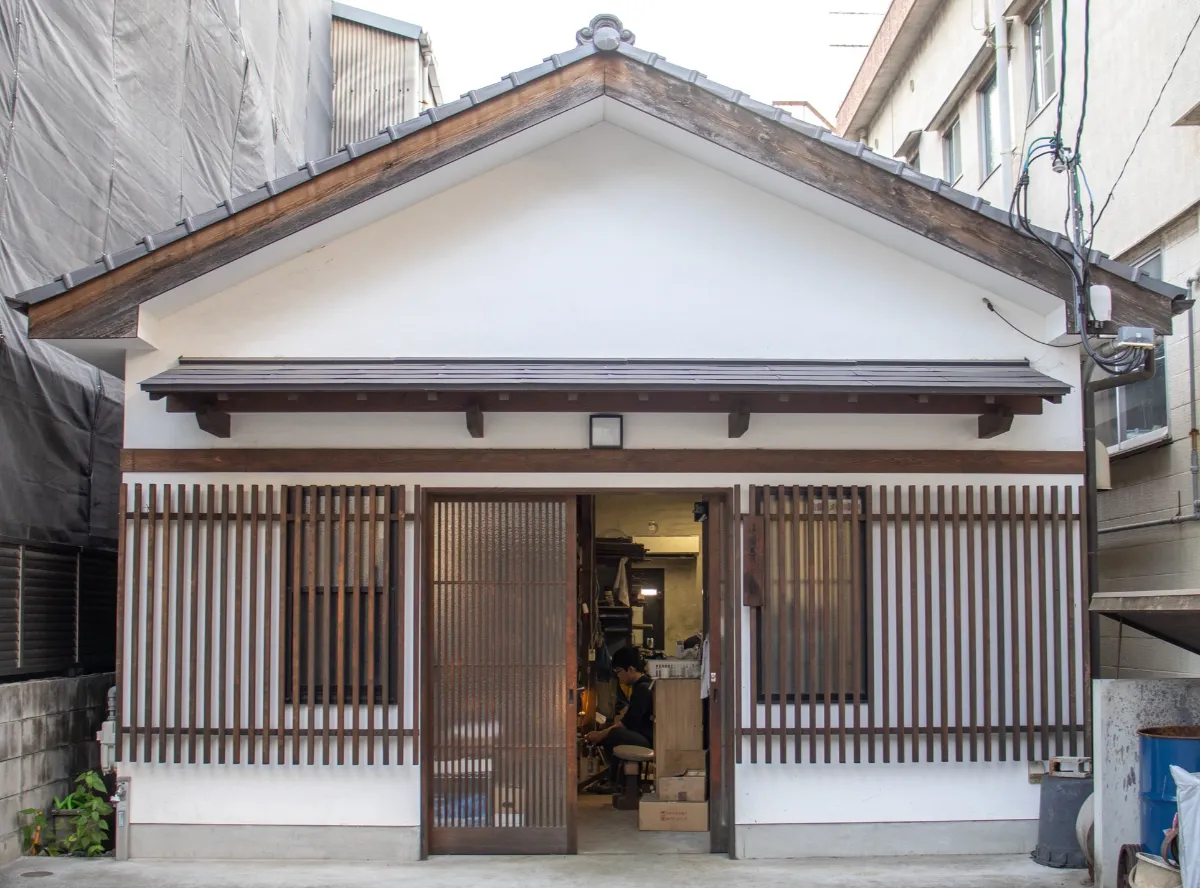
Founded in 1927, Yamawaki Cutlery Mfg., Ltd. originally operated as a wholesaler. They developed a wide variety of knives by carefully selecting which artisans to entrust with each process—and how best to combine their skills.
As times changed and the number of skilled artisans declined due to aging, this system faced a turning point. Yamawaki took on a major challenge: bringing the sharpening process in-house, which had traditionally been outsourced.
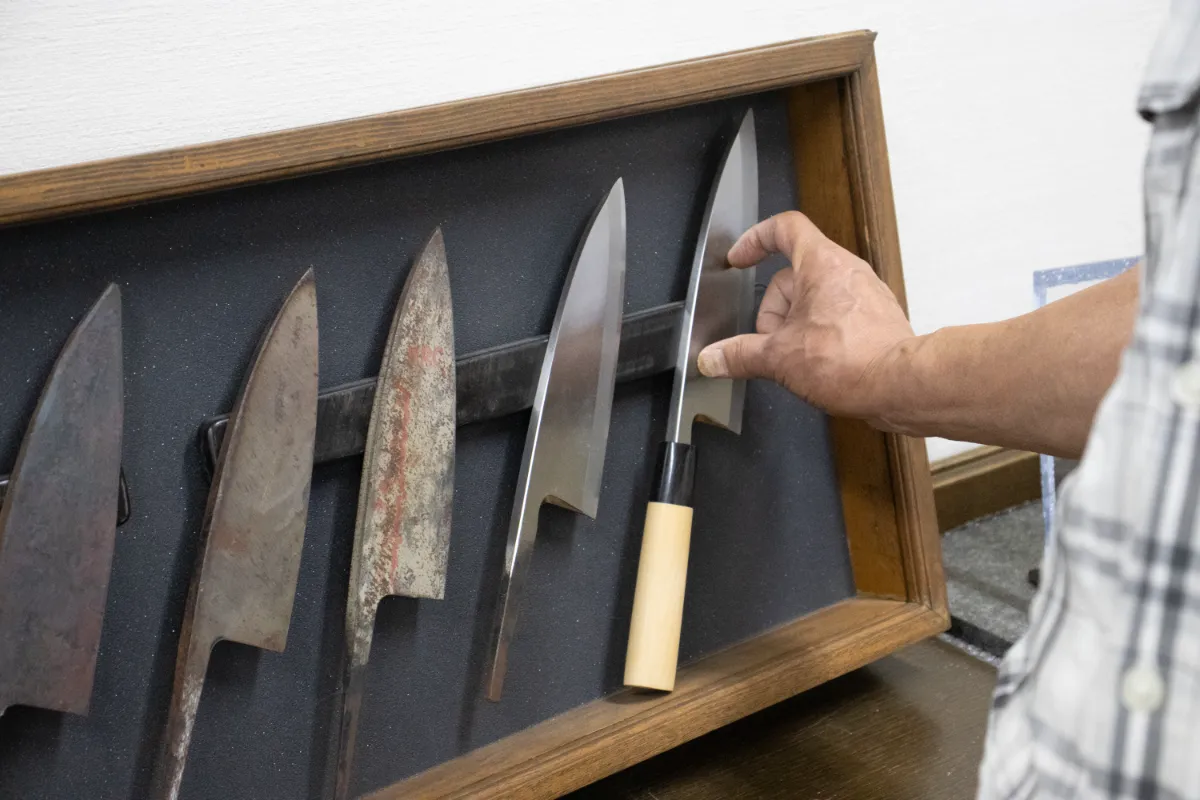
Sharpening determines the very essence of a knife’s cutting edge.
To expand production, Yamawaki established a new factory and committed fully to mastering this crucial craft. President Yoshinobu Yamawaki recalls:
“Teaching traditional skills was extremely difficult—it can’t be standardized like operating a machine.”
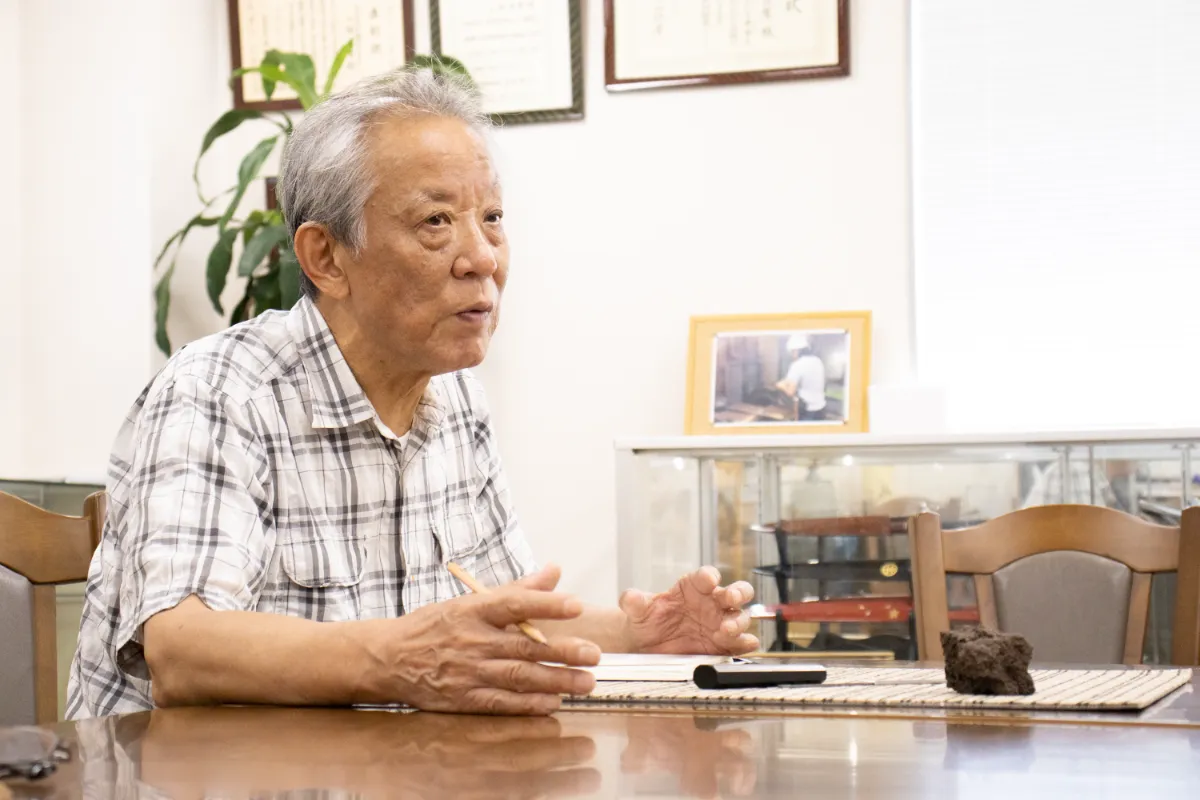
Having overcome this period of transformation, Yamawaki Cutlery will soon celebrate its 100th anniversary.
The founder, originally from Fukui Prefecture, began as an apprentice at a Sakai cutlery shop. At around age 22, he became independent and devoted his life entirely to knife-making.
When asked, “Why Sakai?”, President Yamawaki explained that the origins date back to the construction of Emperor Nintoku’s tomb.
The demand for iron tools such as hoes and spades attracted blacksmiths and metalworkers to the region, establishing Sakai as a hub for iron and steel production.
High-quality Tamahagane (high-purity Japaneses steel) from Izumo in Shimane Prefecture was also supplied here, laying the foundation for Sakai’s enduring reputation as a center of cutlery craftsmanship.
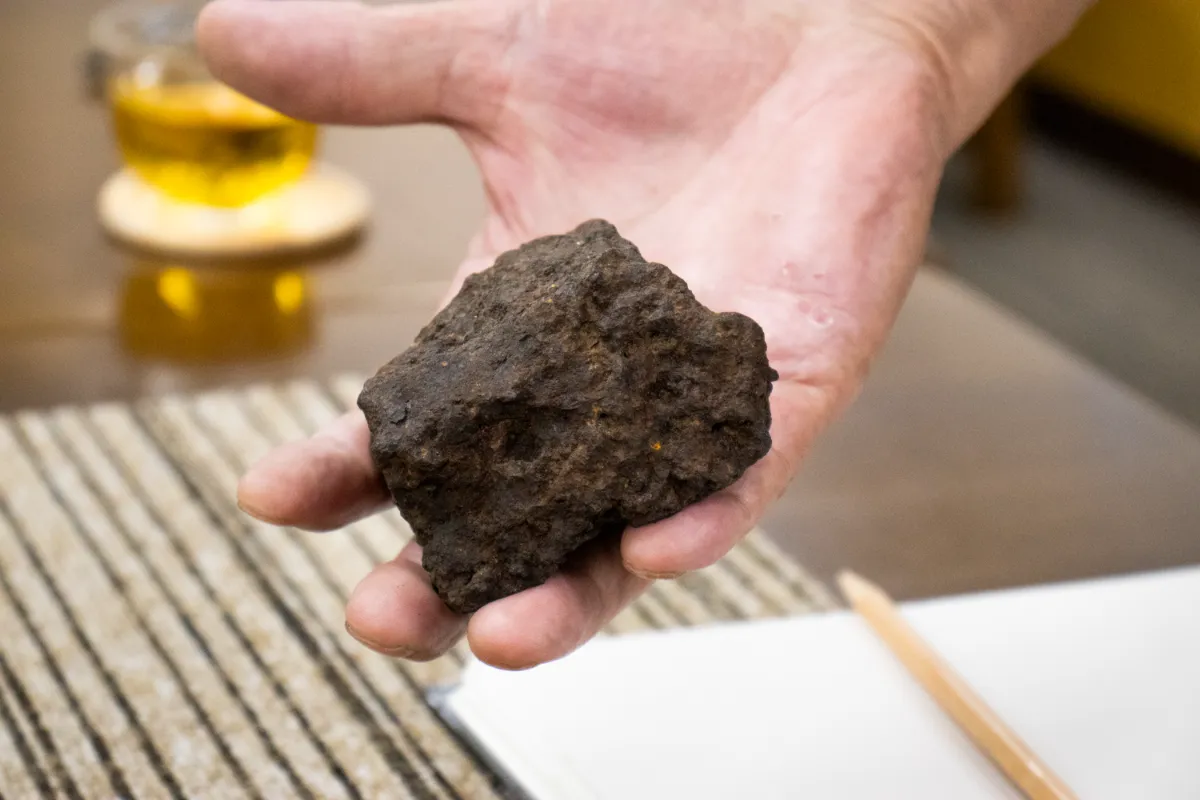
These master artisans pursued blades that were not only sharp but also durable—a spirit of craftsmanship still inherited today.
“Hard, sharp for long, durable, and rust-resistant — we aim to create knives that can last a lifetime,” says President Yamawaki, his words resonating with a confidence forged through history.“
Craftsmanship with the User in Mind
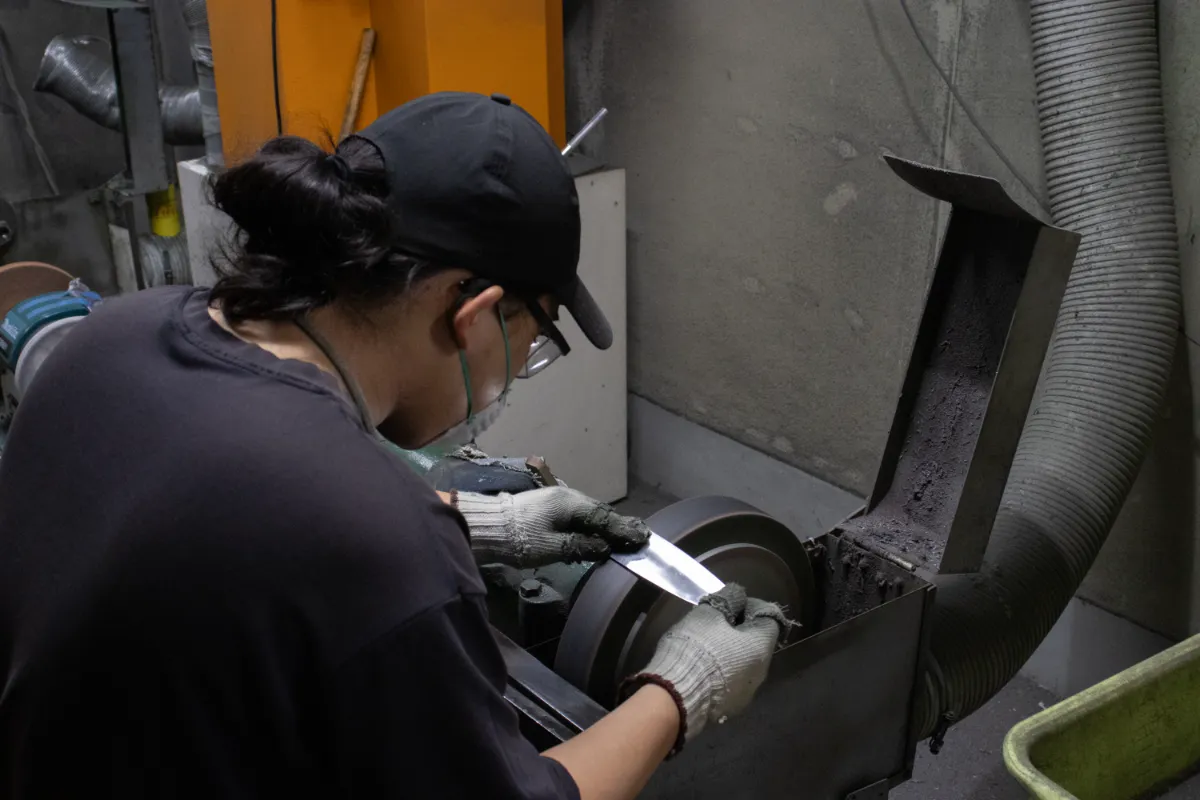
Single-bevel knives are renowned for their sharpness but require delicate handling and frequent maintenance, making them best suited for professional chefs.
For home use, Yamawaki proposes double-bevel knives that combine performance with ease of care.
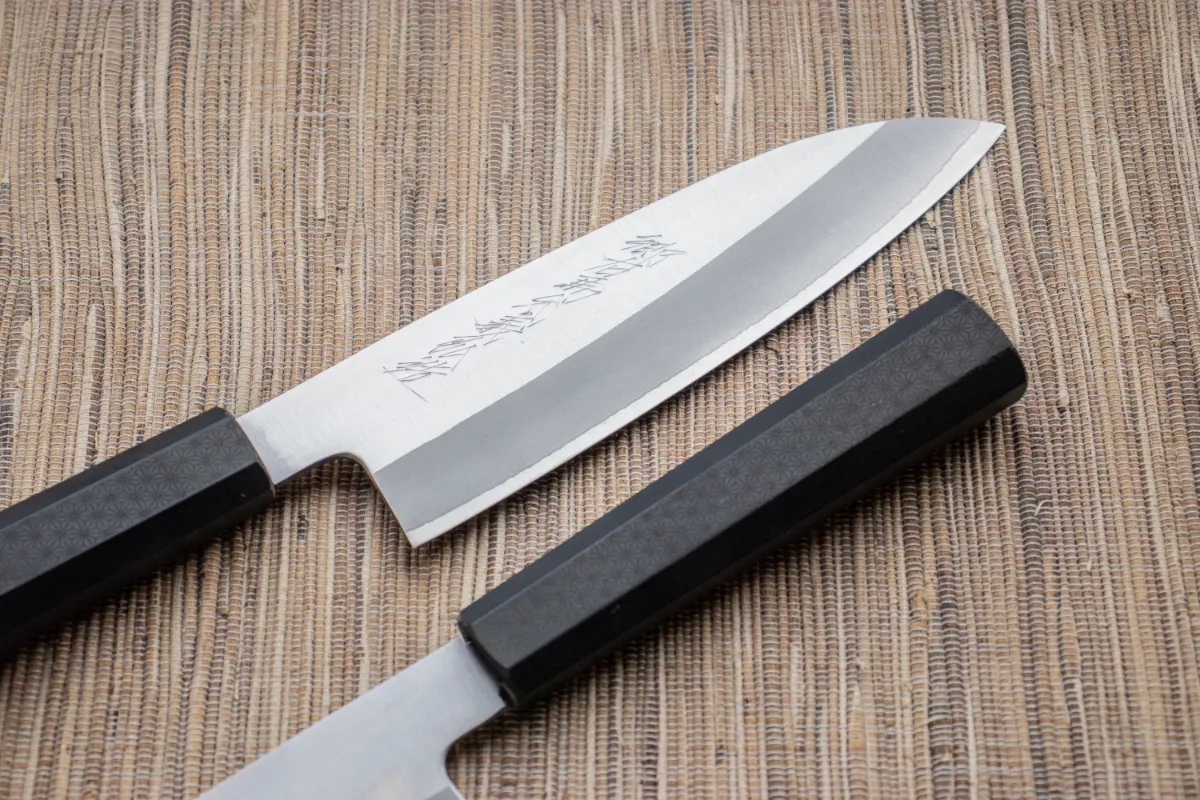
The certified [Gou Umanosuke Yoshihiro] Powdered High-Speed Steel Clad Santoku Knife with Elastomer Handle embodies this philosophy—pursuing both sharpness and convenience.
It features HAP40 powdered high-speed steel, known for its exceptional hardness and edge retention, while maintaining excellent rust resistance for everyday use.
Consideration for the user extends beyond the blade.
Because moisture is an unavoidable element in kitchen environments, the handle is made of elastomer resin, which resists water infiltration and corrosion.
Its soft, non-slip texture provides a comfortable grip and enhanced hygiene through antibacterial properties.
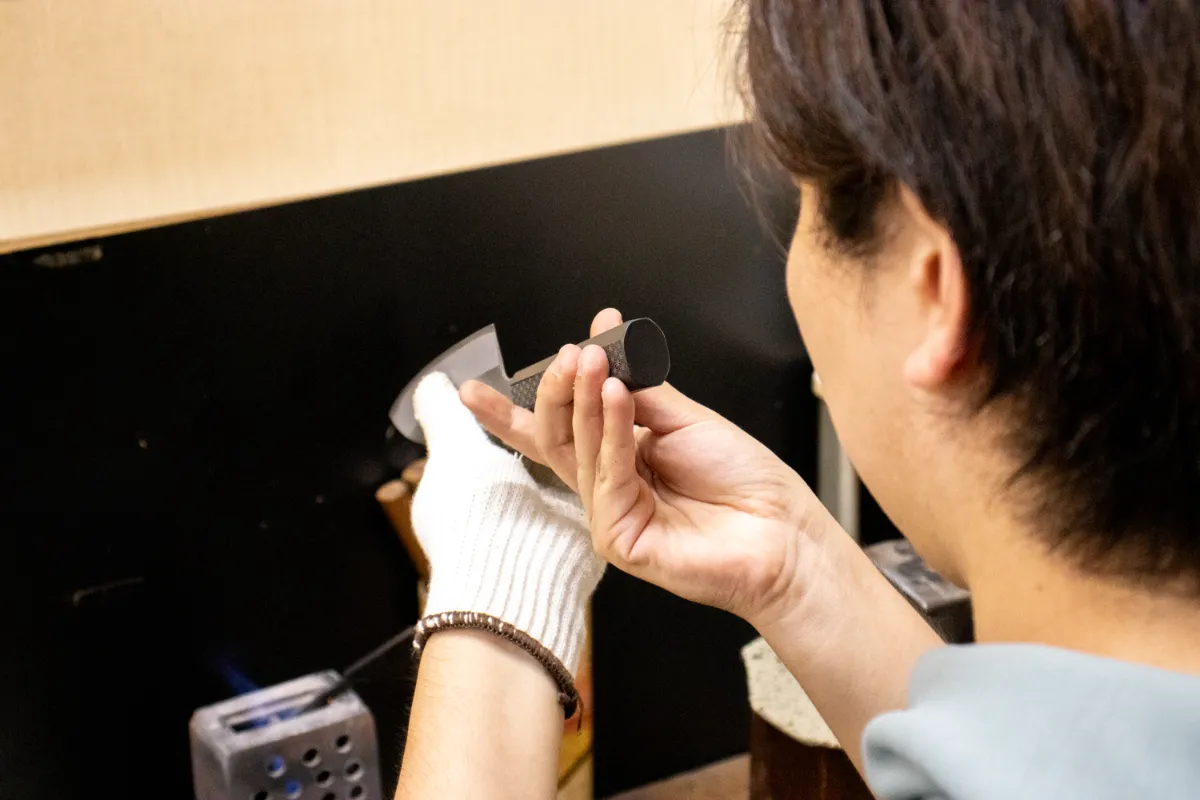
Even as Yamawaki continues to innovate, the company remains firmly committed to preserving traditional materials and techniques.
This philosophy is rooted in the belief that
“Tradition endures because people still find real value in using these tools.”
Balancing the old and the new—without leaning too far in either direction—Yamawaki’s approach reflects a sincere respect for users of both the past and the future.
An Encounter Through YouTube — A Fresh Wind in Craftsmanship
The artisan who demonstrated the crucial sharpening process during our visit was a young craftsman, Mr. Takuma Izumo, in his fifth year at the company—already skilled enough to handle the entire process on his own.
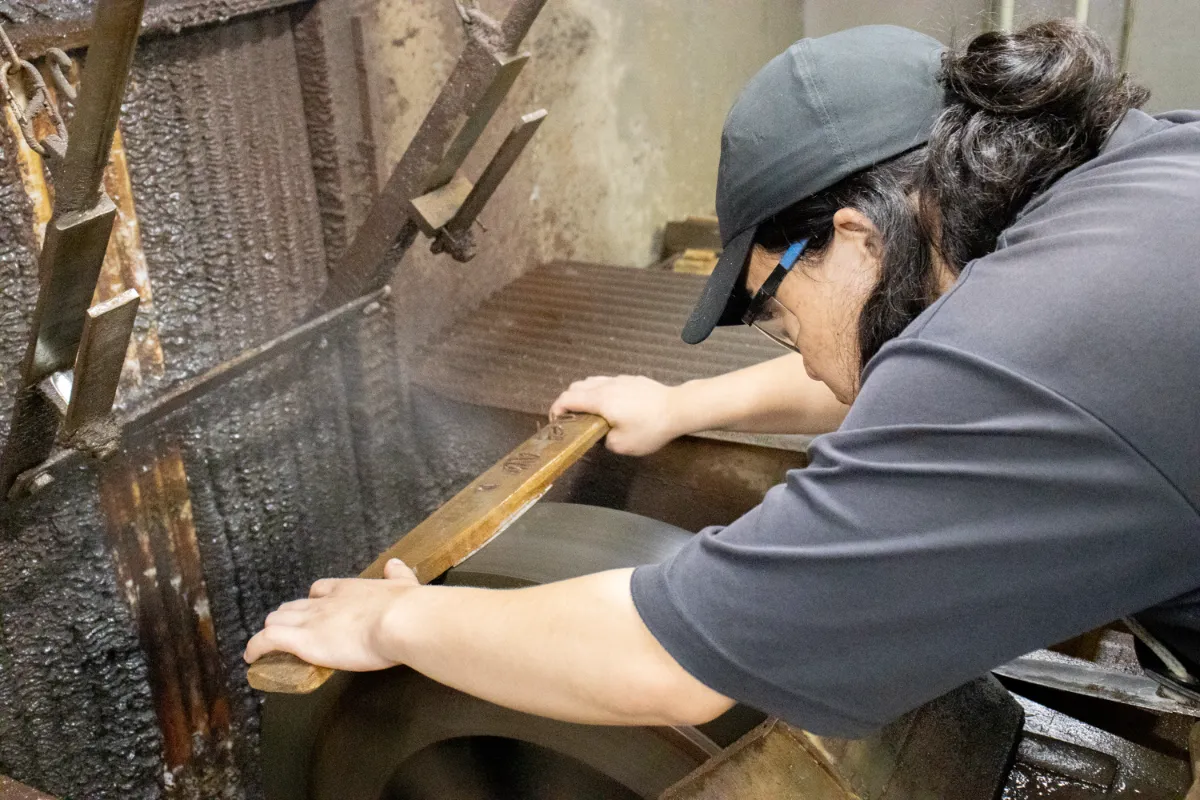
When asked how he came to join, he answered:
“I learned about the company through YouTube when I was in high school.
After visiting and trying an internship, I decided to apply.”
He had been interested in traditional crafts and manufacturing since junior high, learning how to fillet fish and sharpen knives on his own.
It’s remarkable that his entry into this centuries-old craft began through such a modern medium.
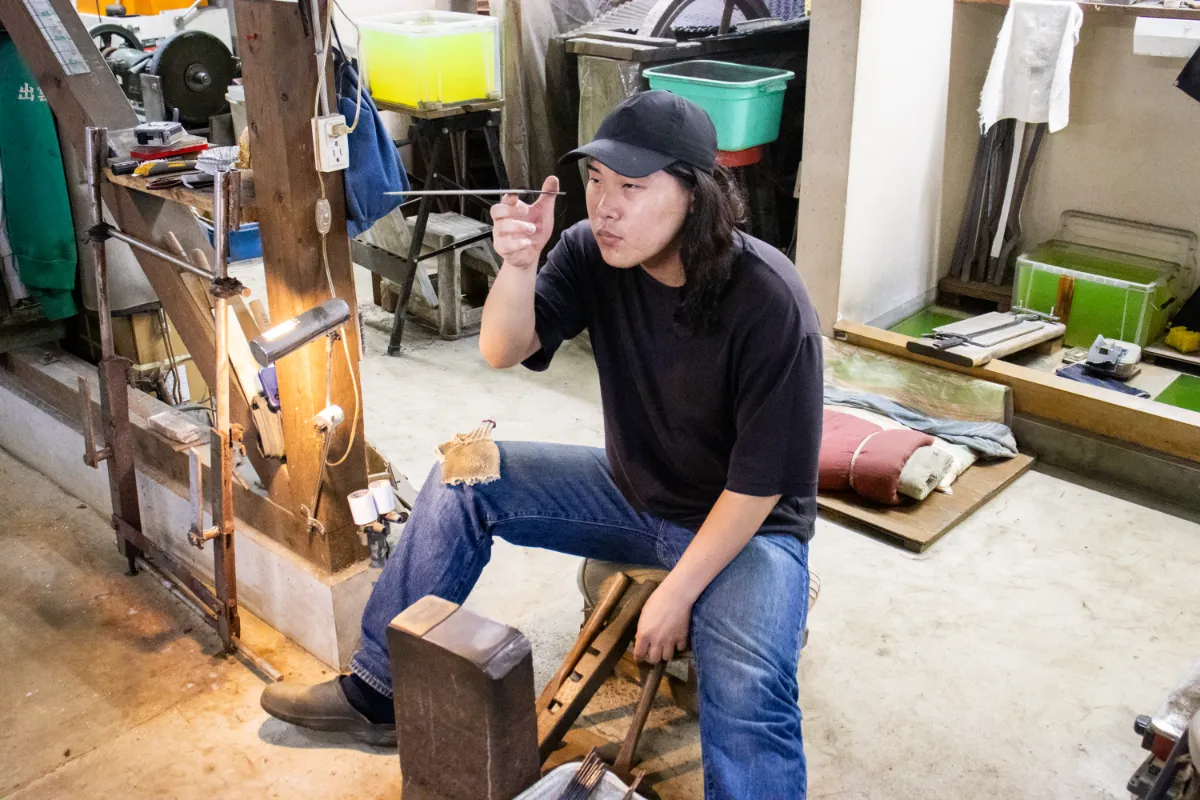
The most challenging process, he says, is hizumi-tori—removing strain and distortion from the blade. It took years of experience to learn how to trust his own eyes, using a hammer and chisel to straighten the metal to perfection.
A Sharp, Yet Flexible, Spirit
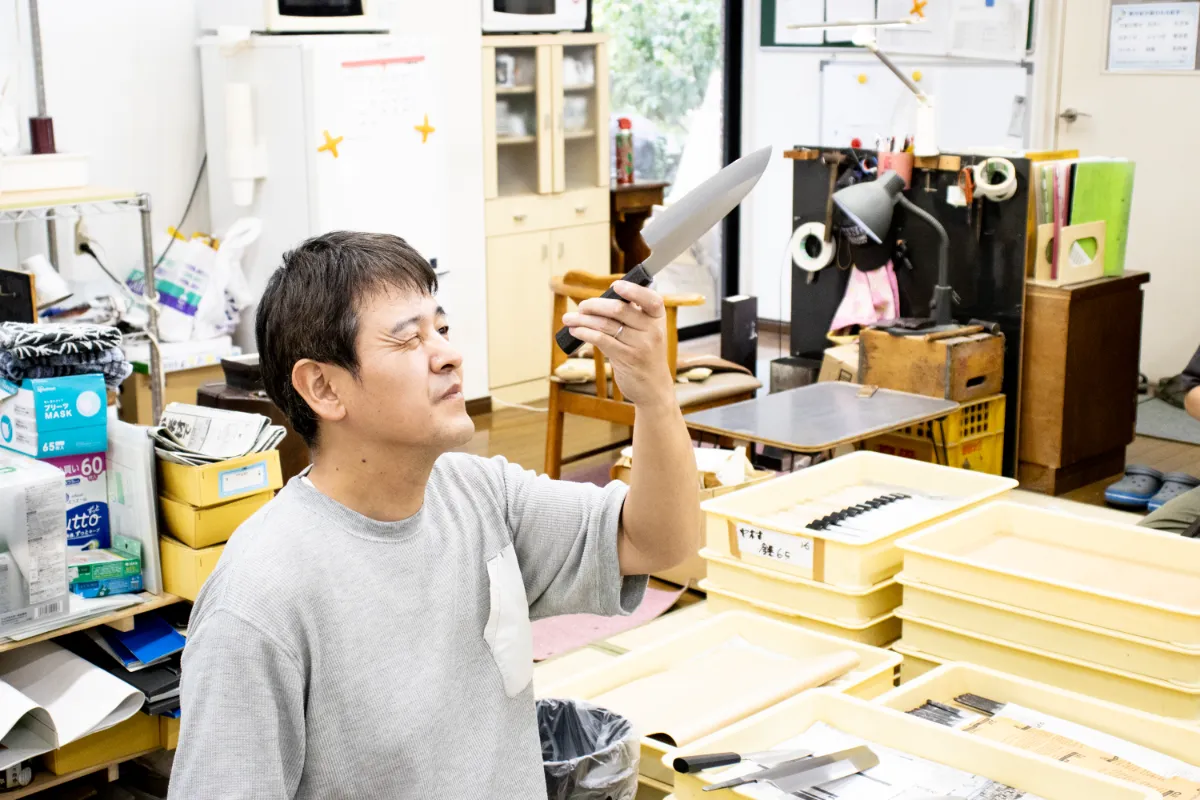
What stood out most about the artisans at Yamawaki Cutlery was their “sharp, yet flexible” spirit.Although they work with unforgiving materials—steel and blades—their demeanor is gentle and composed.
Beneath that calm surface lies a quiet strength and a finely honed sensibility.